
Cat Nutrition
Cat Hydration Tips: How to Keep Your Feline Properly Hydrated

Mar
Proper cat hydration is essential for your cat’s overall health. Water plays a critical role in digestion, circulation, and temperature regulation. However, cats have a naturally low thirst drive, making them prone to dehydration. Without enough fluids, they risk developing urinary tract infections, kidney disease, and other serious health issues.
Unlike dogs, cats do not instinctively drink large amounts of water, especially if they eat dry food. This makes it crucial for pet owners to actively encourage hydration.
In this article, we will explore essential cat hydration tips, including ways to increase your feline’s water intake, recognize dehydration symptoms, and choose the best hydration methods. By following these guidelines, you can ensure your cat stays healthy and well-hydrated.
Understanding the Importance of Cat Hydration
Why Hydration Matters for Cats
Water is vital for many bodily functions, including:
- Regulating body temperature – Cats rely on moisture intake to prevent overheating.
- Aiding digestion – Proper hydration helps break down food and absorb nutrients.
- Maintaining kidney and urinary health – Lack of water can lead to urinary tract infections (UTIs) and kidney disease.
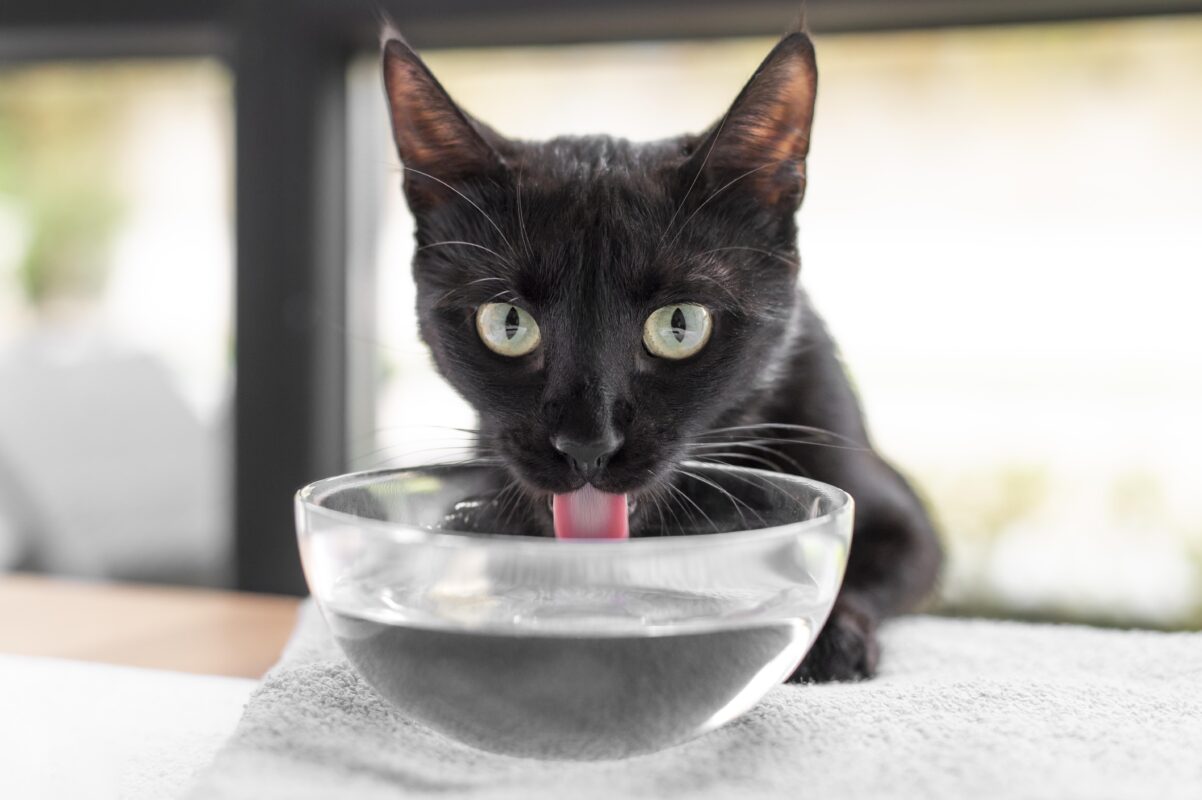
How Much Water Does a Cat Need?
On average, a cat needs 3.5–4.5 ounces of water per 5 pounds of body weight per day. For example:
- A 10-pound cat should consume 7–9 ounces of water daily.
- If your cat eats wet food, which contains about 70–80% water, they will naturally get more moisture from their diet.
- Cats on a dry food diet must drink more water to compensate for the low moisture content.
Risks of Dehydration in Cats
Dehydration can cause severe health problems, including:
- Kidney disease – Chronic dehydration puts stress on the kidneys, leading to long-term damage.
- Urinary tract infections (UTIs) – Insufficient water intake can cause painful infections and bladder stones.
- Constipation – Dehydration leads to hard, dry stools, making elimination difficult.
Recognizing Signs of Dehydration in Cats
Early Symptoms of Dehydration
It is crucial to spot dehydration early to prevent complications. Common signs include:
- Dry gums – A well-hydrated cat should have moist, pink gums.
- Lethargy – A dehydrated cat may appear weak or disinterested in activities.
- Sunken eyes – Lack of hydration can cause the eyes to appear dull or recessed.
How to Perform a Skin Elasticity Test
A simple test can help you check for dehydration:
- Gently pinch the skin at the back of your cat’s neck.
- If the skin quickly returns to its normal position, your cat is hydrated.
- If the skin remains “tented” for a few seconds, your cat is likely dehydrated and needs immediate attention.
When to Seek Veterinary Care
If your cat refuses to drink water and shows signs of dehydration, contact a veterinarian. Severe dehydration may require IV fluids to restore proper hydration levels.
Cat Hydration Tips for Encouraging Water Intake
1. Provide Fresh, Clean Water Daily
- Change your cat’s water at least once or twice a day.
- Use filtered water to remove chlorine and impurities that may discourage drinking.
2. Use a Cat Water Fountain
Cats prefer running water over stagnant water. A cat water fountain:
- Mimics natural flowing streams.
- Keeps water fresh and oxygenated.
- Encourages picky cats to drink more.
3. Offer Multiple Water Stations
- Place water bowls in different locations around your home.
- Ensure the water is away from the litter box, as cats dislike drinking near their bathroom area.
4. Use Wide, Shallow Bowls
- Cats dislike narrow bowls that touch their whiskers.
- Opt for ceramic or stainless steel bowls instead of plastic to avoid odors.
5. Add Water to Your Cat’s Food
- Mix 1–2 teaspoons of water into dry food to increase moisture intake.
- If your cat eats wet food, adding a small amount of extra water can further boost hydration.
Produits recommandés
-

Cat Water Fountain – Keep Your Cat Hydrated with Fresh, Flowing Water
$93.00 -
Premium Wireless Automatic Cat Water Dispenser – Smart Hydration for Your Feline Friend
Price range: $92.00 through $100.00 -
Wireless Cat Water Dispenser – 2.5L Automatic Water Feeder with Infrared Sensing & Multi-Mode Functionality
$78.00
Best Hydration Methods for Different Cat Diets
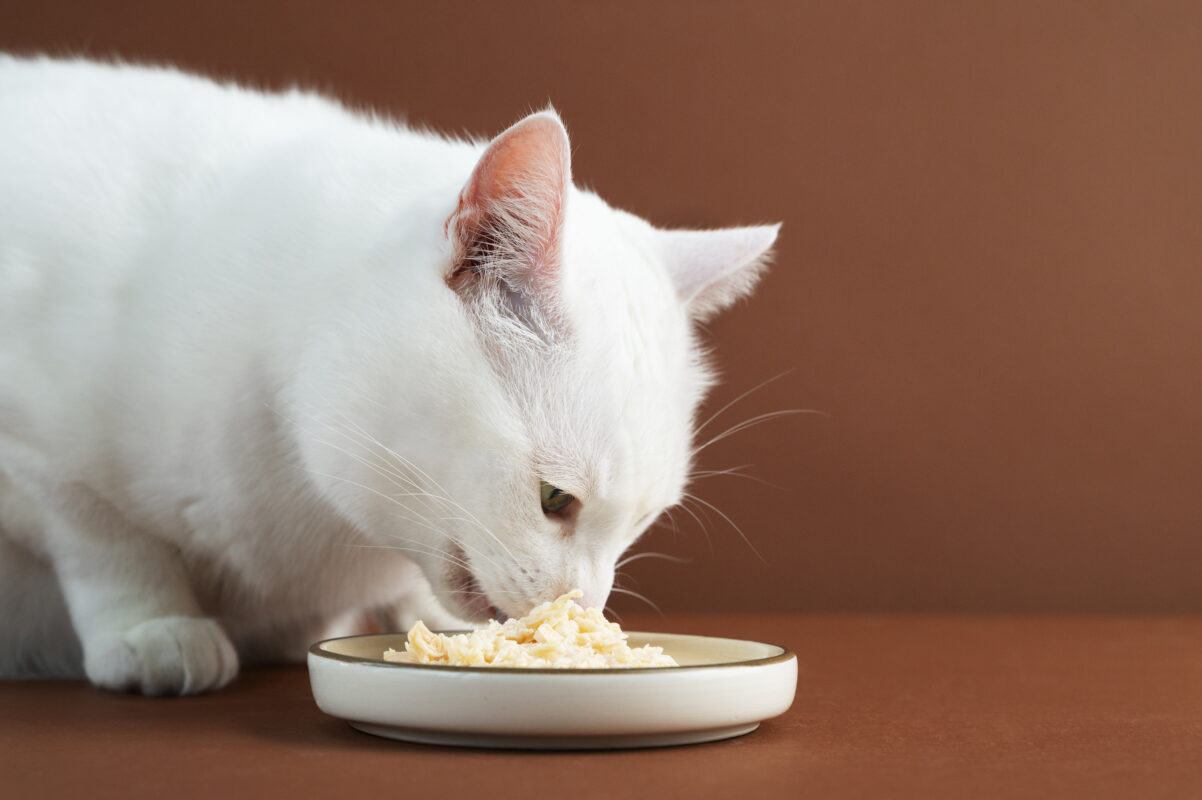
Wet Food vs. Dry Food
- Wet food (canned) contains 70–80% water, making it an excellent hydration source.
- Dry food (kibble) contains only 10% water, increasing the risk of dehydration.
Homemade Broths and Hydration Boosters
- Offer unsalted chicken or bone broth as a flavorful way to encourage hydration.
- Avoid broths with onions, garlic, or excessive sodium, as these are toxic to cats.
Hydrating Treats
- Frozen water-based treats (such as ice cubes flavored with tuna juice) can make hydration fun.
- Some commercial hydration supplements are available in liquid or gel form to mix with food.
Preventing Dehydration in Hot Weather or Sick Cats
Keeping Cats Hydrated in Summer
- Provide cool, fresh water throughout the day.
- Keep your home air-conditioned or provide fans to prevent overheating.
- Offer ice cubes in the water bowl for extra cooling.
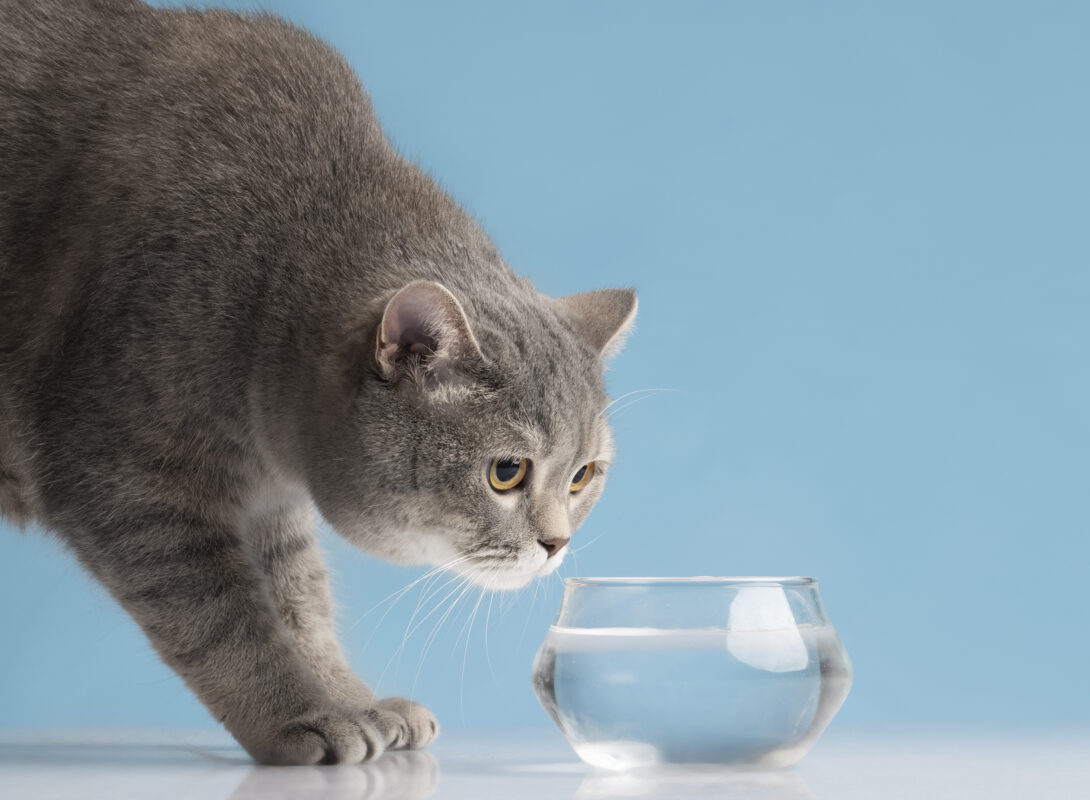
Helping Sick or Senior Cats Stay Hydrated
Older cats and those with kidney disease are more prone to dehydration.
- Use oral hydration supplements recommended by a vet.
- Offer small, frequent water servings rather than large amounts at once.
FAQ Section
1. How can I tell if my cat is dehydrated?
Check for dry gums, lethargy, sunken eyes, and use the skin elasticity test. If in doubt, consult a vet.
2. Why does my cat refuse to drink water?
Cats may avoid water due to stale or dirty bowls, chlorine taste, or preference for running water. A cat fountain may help.
3. Can I add flavor to my cat’s water?
Yes! Adding tuna juice, low-sodium chicken broth, or water from canned food can make water more appealing.
4. Is wet food better than dry food for hydration?
Yes, wet food contains up to 80% water, significantly boosting your cat’s moisture intake compared to dry kibble.
5. How much water should a cat drink per day?
Cats need 3.5–4.5 ounces of water per 5 pounds of body weight daily. A 10-pound cat should drink at least 7 ounces of water.
Ensuring your cat stays hydrated is crucial for preventing kidney disease, urinary tract infections, and other health issues. By recognizing the signs of dehydration and using effective cat hydration tips, you can keep your feline happy and healthy.
Encourage water intake by providing fresh water daily, using fountains, feeding wet food, and offering hydration-rich treats. If you notice dehydration symptoms, seek veterinary advice immediately.
For more hydration-related feline health tips, explore our other articles on Felis Cattus.
For additional resources, visit Wikipedia and The American Veterinary Medical Association.
