
Cat Nutrition
Managing Feline Obesity: Proven Methods to Help Your Cat Lose Weight

Apr
Managing feline obesity is a pressing concern for many cat owners, especially as indoor lifestyles become more common. Obesity is not a cosmetic issue—it is a chronic condition that significantly reduces your cat’s quality of life and lifespan. According to the Association for Pet Obesity Prevention (APOP), nearly 60% of domestic cats in the United States are overweight or obese.
Excess weight places stress on your cat’s joints, increases the risk of diabetes, and can lead to liver disease. Moreover, feline obesity often goes unnoticed due to gradual weight gain over months or years. As a responsible cat owner, you have the ability to intervene early and implement lifestyle changes that can restore your cat’s vitality and prevent long-term complications.
In this guide, we will explore structured approaches to managing feline obesity, combining expert insight, practical routines, and proven tools to help your cat regain a healthy weight.
Understanding the Causes of Feline Obesity
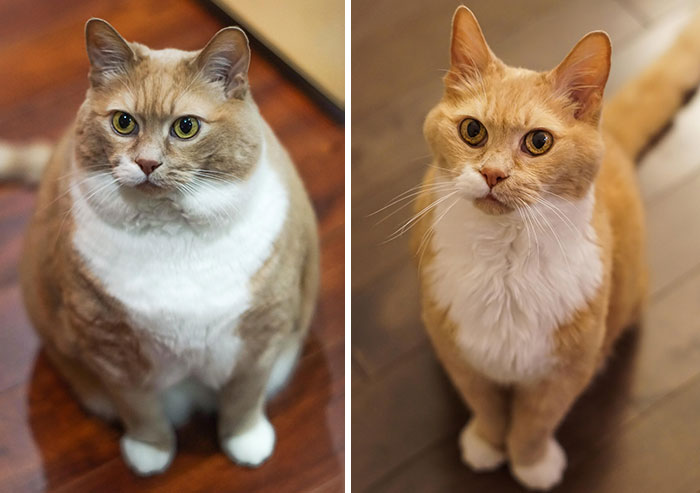
What leads to excess weight in domestic cats?
Feline obesity is usually the result of an imbalance between caloric intake and energy expenditure. While genetics may play a minor role, lifestyle is the primary driver.
Common causes include:
- Free-feeding (unlimited access to dry kibble)
- Lack of physical activity (especially for indoor cats)
- High-calorie treats and human food
- Neutering without adjusting food intake
- Underlying medical conditions (e.g., hypothyroidism, diabetes)
According to VCA Animal Hospitals, even an extra 2 pounds can significantly strain a cat’s organs and joints. For perspective, 2 lbs on a 10 lb cat is equivalent to a 30 lb weight gain in an average adult human.
🧠 Think of your cat as a fine-tuned machine: too much fuel and not enough movement results in inefficiency and wear.
For further insight on daily cat routines, explore our article on cat lifestyle.
Identifying the Signs of Feline Obesity
How to assess your cat’s weight accurately
Obesity may seem obvious, but many owners fail to recognize it until health issues arise.
Warning signs include:
- Inability to feel ribs without pressing firmly
- Lack of a visible waist when viewed from above
- Low energy and reluctance to play
- Difficulty grooming or using the litter box
Body Condition Score (BCS) charts, used by vets, offer a standardized way to evaluate feline weight. On a scale from 1 to 9, a score of 6 or above usually indicates excess weight.
📊 Example: A healthy domestic short-haired cat should weigh around 8–10 lbs. If your cat weighs 14 lbs, they are likely carrying 40–60% more weight than ideal.
🩺 Tip: Schedule regular vet visits to track progress and rule out medical causes.
Check out our article on common signs of feline illness to learn more about early warning signals.
Nutritional Strategies for Managing Feline Obesity

Creating a customized diet plan
Diet is the foundation of any feline weight management strategy. The goal is to reduce calorie intake while maintaining nutrient density and satiety.
Effective dietary changes:
- Switch to a veterinary-approved weight management food
- Use wet food instead of dry (lower calorie density and higher moisture)
- Follow precise portion control using a kitchen scale
- Eliminate treats or replace with low-calorie alternatives (e.g., freeze-dried chicken)
Calculation example: If your cat’s target weight is 10 lbs, they should consume about 180–200 calories/day. Compare this to commercial dry food, which often contains 350–500 calories per cup.
🧪 A 2020 study in Journal of Feline Medicine and Surgery found that calorie restriction alone led to 15–20% weight loss over 6 months when monitored professionally.
Visit our blog for expert cat care tips to complement this dietary guidance.
Produits recommandés
-

Slow Cat Feeders – Promote Healthy Eating Habits with a Fun, Interactive Design
$32.00 -
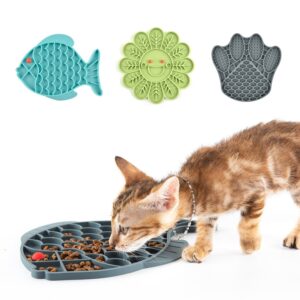
Cat Lick Mat: The Fun, Slow Feeder for a Happier, Healthier Cat!
$19.00 -
Smart Cat Feeder Dry Food – Automatic, Programmable Feeding Solution for Convenient Mealtime
$199.00 -
WiFi Smart Cat Feeder with Camera | Automatic Food Dispenser for Cats
Original price was: $200.00.$150.00Current price is: $150.00.



Exercise and Activity Planning for Overweight Cats
Physical enrichment to stimulate calorie burn
Alongside dietary adjustments, increasing activity is essential for managing feline obesity. Exercise boosts metabolism, supports mental health, and improves muscle tone.
Activity ideas:
- Wand toys (mimicking prey)
- Laser pointer games (followed by treat or toy reward)
- Timed feeding puzzles
- Cat towers and climbing shelves
Even 15 minutes of active play twice per day can help burn 40–50 calories—a meaningful dent in your cat’s daily energy budget.
🏋️ A gradual increase is crucial. For severely overweight cats, begin with slow walking games or luring across short distances.
For additional interactive ideas, explore our piece on feline enrichment.
Monitoring and Long-Term Commitment
Tracking progress and adapting over time
Obesity is a chronic condition that requires a long-term, structured approach. It’s not about quick fixes but about sustainable, healthy routines.
Key metrics to track:
- Weekly weight measurements
- Appetite and energy levels
- Frequency and type of activity
- Bowel habits and coat condition
Use a spreadsheet, app, or journal to record observations. Monthly check-ins with your vet ensure professional oversight and prevent plateaus or nutrient deficiencies.
🎯 Goal: Aim for 0.5–1% body weight loss per week. Any faster, and you risk liver complications like hepatic lipidosis.
🐾 “Weight loss for cats is not a sprint—it’s a consistent walk, one paw at a time.”
FAQ – Frequently Asked Questions about Managing Feline Obesity
1. How can I tell if my cat is obese?
Check for a visible waist and palpable ribs. If unsure, consult your vet or use a Body Condition Score chart.2. What should I feed my obese cat?
Low-calorie, high-protein wet food is ideal. Use measured portions, avoid free feeding, and consider prescription diets.3. Can exercise alone solve feline obesity?
No. Diet is the most important factor. Exercise supports weight loss but cannot compensate for overeating.4. How fast should my cat lose weight?
A safe rate is 0.5–1% of body weight per week. Rapid loss can be dangerous.5. Is feline obesity reversible?
Yes, with a consistent diet, exercise, and veterinary guidance, most cats can return to a healthy weight.Managing feline obesity is both a science and an act of love. By committing to thoughtful dietary control, engaging activity routines, and regular health monitoring, you provide your cat with the opportunity to thrive. The process may be gradual, but the rewards are profound—better mobility, reduced risk of disease, and a stronger bond between you and your feline companion.
Remember that weight management is a journey, not a destination. Adjust as you go, consult with professionals, and most importantly, stay consistent. With your care and patience, votre chat can rediscover the joy of agility, exploration, and a balanced, healthy life.
Let today be the first step toward a lighter, brighter future for your cat.
