
Cat Behavior
Managing Feline Stress: Understanding and Reducing Cat Anxiety

Apr
Managing feline stress is a crucial aspect of maintaining your cat’s overall health and emotional balance. As sensitive and territorial creatures, cats are particularly vulnerable to changes in their environment, routine, or social structure. Just like humans, they can experience anxiety, fear, and even depression. If not managed properly, stress can lead to serious behavioral and physiological issues such as excessive grooming, aggression, appetite changes, or urinary tract disorders. Recognizing the signs early and implementing effective strategies is essential to preserve their well-being.
Whether you are dealing with a newly adopted feline, a pet that is reacting poorly to household changes, or simply seeking ways to optimize your cat’s daily life, this guide offers expert insights. Through five comprehensive chapters, we will explore the causes, signs, and practical methods for managing feline stress. By the end of this article, you will be equipped with actionable tips to help your cat lead a more serene and balanced life.
Understanding Feline Stress and Its Causes

What Triggers Feline Stress?
Stress in cats can be triggered by multiple factors, often linked to their natural instinct for routine and territory. Key stressors include:
- Environmental changes: Moving to a new home, renovations, or rearranged furniture.
- New family members: The arrival of a baby, another pet, or frequent visitors.
- Lack of stimulation: Boredom can quickly escalate into anxiety.
- Medical issues: Underlying health conditions like hyperthyroidism or pain can elevate stress levels.
- Loud noises: Thunderstorms, fireworks, or vacuum cleaners.
Real-life Example
If you’ve recently moved, your cat may refuse to eat or hide for days. This reaction is not disobedience—it’s stress. Studies show that 60% of cats experience anxiety following a major household change.
Recognizing the Signs of Feline Stress

Behavioral and Physical Indicators
Knowing the signs is the first step in managing feline stress:
- Excessive grooming or bald patches
- Aggression or withdrawal
- Change in litter box habits
- Hiding more frequently
- Loss of appetite or vomiting
- Excessive vocalization (especially at night)
Vet-Backed Data
According to the American Association of Feline Practitioners, over 50% of feline behavioral cases are stress-related. Identifying these signs early helps prevent long-term health issues.
Creating a Stress-Free Environment for Your Cat
Safe Spaces and Predictability
Providing a secure environment is foundational for managing feline stress. Start with:
- Designated safe zones: A quiet room or perch where your cat can retreat.
- Consistency in routine: Feeding and playtime should happen at the same times daily.
- Familiar scents: Keep blankets, toys, or items that carry their scent nearby.
Practical Tip
Set up vertical spaces like cat trees or window perches. This mimics natural feline behavior and promotes safety, particularly in multi-cat households.
Produits recommandés
-

Cat Beds Hug Bear – Luxurious Comfort for Your Feline Friend
Price range: $49.99 through $65.00 -
Cat Climbing Tree with Cozy Nest & Scratching Post – Small Cat Stand with Sisal Columns & Plush Perch
$120.00 -
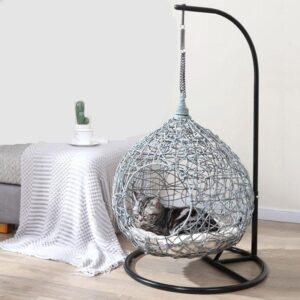
Cat Hammock Rattan Chair | Stylish & Cozy Swing Bed for Cats Swing Cradle Cat Nest Climbing Frame
$690.00 -
Cat Self-Groomer – The Ultimate Self-Care Tool for Independent Cats
$69.99



Tools and Techniques to Reduce Feline Stress
Enrichment and Natural Therapies
To actively reduce stress:
- Use interactive toys (feather wands, puzzle feeders).
- Introduce Feliway or pheromone diffusers to calm nervous behavior.
- Apply CBD drops (veterinarian-approved) for chronic stress.
- Play soft classical music during storms or absences.
Analogies and Calculations
Think of enrichment like exercise for the brain. Just 10–15 minutes of interactive play daily can significantly lower cortisol levels in stressed cats.
Long-Term Strategies for Managing Feline Stress
Consistency and Preventive Health
Long-term management of feline stress involves:
- Routine vet checkups: Rule out medical causes.
- Diet optimization: Diets rich in omega-3 (e.g. Royal Canin Calm) reduce inflammation and anxiety.
- Gradual exposure: If you need to introduce a new pet, do it over weeks—not days.
- Owner emotional health: Cats mirror their humans’ emotions. Calm owners = calmer cats.
Example
When introducing a new pet, use a step-by-step plan:
- Keep animals in separate rooms for 3–4 days.
- Let them exchange scents via toys or bedding.
- Use a baby gate to allow visual contact.
- Monitor first physical interactions closely.
FAQ: 5 Frequently Asked Questions on Managing Feline Stress
1. How can I tell if my cat is stressed or just shy?
Look for behavioral changes—if your cat was previously social and is now hiding or acting aggressively, it’s likely stress. Shyness tends to be consistent over time.
2. Can other pets in the house cause stress in my cat?
Yes. New or dominant pets can be a significant source of stress. Ensure all pets have separate resources (litter boxes, feeding stations, toys).
3. Do pheromone diffusers really work for feline stress?
According to clinical trials, Feliway diffusers reduce stress-related behavior in 70% of cats within 4 weeks.
4. How long does it take to calm a stressed cat?
This depends on the cause and severity. Mild stress can resolve in days with proper care. Chronic stress may take weeks or require vet intervention.
5. Should I consult a vet if my cat is stressed?
Absolutely. Persistent symptoms like vomiting, urinating outside the box, or aggression should always be evaluated to exclude medical causes.
Managing feline stress is not just about calming behaviors—it’s about safeguarding your cat’s overall health. Left unchecked, chronic stress can lead to behavioral disorders, physical illness, and a reduced quality of life. However, by staying observant, offering a stable and enriching environment, and utilizing proven tools like pheromones and routine, you can effectively support your cat through stressful periods.
Remember, your emotional state also plays a role. A calm, patient, and responsive owner is your cat’s best defense against daily anxieties. Whether you’re managing temporary stressors or addressing long-term anxiety, applying the strategies shared in this article will foster a peaceful, secure home for your feline companion.
- Cat Behavior Explained: Why Your Cat Acts the Way It Does
- Cat Care Tips for New and Experienced Owners
- Common Signs of Feline Illness to Watch Out For
